Tips for Creating a Relaxing Home Office Environment
Creating a relaxing home office environment can make a significant difference in your workday. A space designed for comfort and focus helps reduce stress, increases productivity, and encourages a healthy work-life balance. Whether you have a dedicated room or a cozy corner, these tips will help you create a calming and efficient home office.
Choose the Right Location
The first step in setting up your home office is selecting the best spot. Ideally, find a quiet area with minimal distractions. Natural light is a major bonus as it can improve your mood and reduce eye strain.
– Near a window: Fresh air and sunlight can boost energy and creativity.
– Away from high-traffic zones: Avoid areas where family members frequently pass through.
– Separate from relaxing spaces: Try not to place your office in your bedroom or living room if possible, to maintain clear boundaries between work and personal time.
Invest in Comfortable Furniture
Comfort is key when creating a relaxing workspace. Investing in the right furniture helps maintain good posture and allows long hours of focused work.
– Ergonomic chair: Supports your back and encourages correct sitting posture.
– Functional desk: Choose one with enough surface area for your essentials, and if possible, a height-adjustable desk to alternate between sitting and standing.
– Footrest and cushions: Add extra comfort and reduce strain.
Use Calming Colors and Decor
Colors impact mood, so choosing calming shades can create a peaceful environment.
– Soft blues and greens: Known for their relaxing and refreshing effects.
– Neutral tones: Whites, beiges, and light grays provide a clean, uncluttered backdrop.
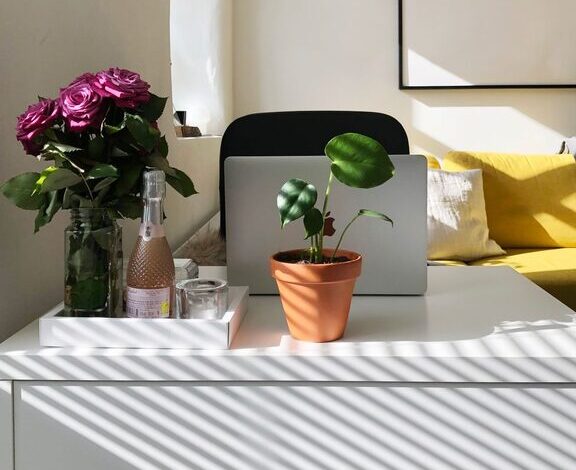
– Personal touches: Add plants, artwork, or meaningful items to make the space inviting without cluttering it.
Declutter and Organize
A tidy workspace minimizes distractions and promotes focus. Here are tips to keep things organized:
– Limit desk items: Keep only essential tools on your desk.
– Storage solutions: Use shelves, cabinets, or baskets to store supplies.
– Cable management: Tidy cables with clips or under-desk organizers to maintain a clean look.
Incorporate Natural Elements
Bringing nature indoors can reduce stress and improve air quality.
– Plants: Easy-care plants like succulents or snake plants add greenery and life.
– Natural materials: Wood desks or bamboo accessories create a warm, comfortable feel.
– Nature sounds: Consider a small fountain or nature sound apps to improve relaxation.
Optimize Lighting
Proper lighting reduces eye strain and sets a calming tone.
– Natural light: Maximize sunlight during the day by keeping windows unobstructed.
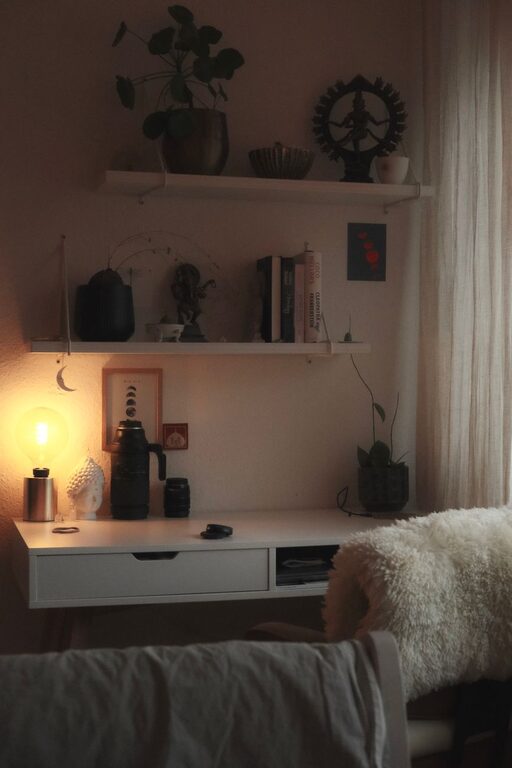
– Task lighting: Use desk lamps with adjustable brightness for focused work.
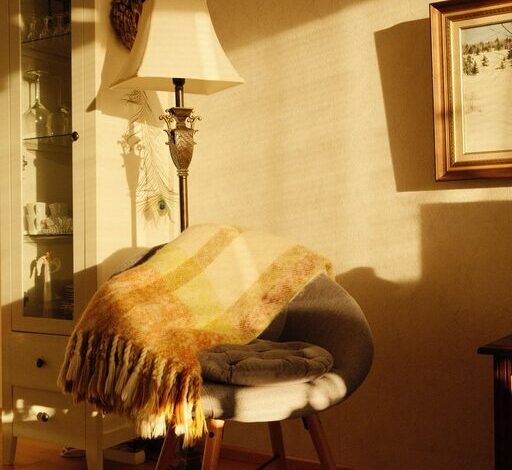
– Soft ambient light: Consider warm-toned bulbs or indirect lighting to create a cozy atmosphere in the evening.
Control Noise Levels
Noise can distract and stress you out. Creating a quiet environment is important for concentration.
– Noise-canceling headphones: Great for blocking distracting sounds.
– White noise machines: Provide consistent background sounds that help mask interruptions.
– Soundproofing: Rugs, curtains, and soft furnishings help absorb noise.
Set Boundaries
Creating clear boundaries in your home office helps your mind switch into work mode and later relax.
– Work hours: Establish consistent work hours and communicate them with family or housemates.
– Physical separation: Use room dividers or doors if possible.
– Remove work materials after hours: Store work items out of sight at the end of the day.
Personalize Your Space
A space that feels truly yours contributes to relaxation and motivation.
– Display photos or inspiring quotes.
– Use colors and decor that reflect your personality.
– Play calming music or ambient sounds when working.
Prioritize Air Quality and Temperature
Comfortable air quality and a pleasant room temperature support focus and well-being.
– Ventilate regularly: Open windows to refresh air.
– Air purifiers: Help remove allergens and dust.
– Temperature control: Use fans, heaters, or air-conditioning to maintain a comfortable temperature year-round.
Take Regular Breaks
A relaxing home office isn’t just about the physical space—it’s also about how you use it.
– Stand and stretch: Prevent stiffness by moving every hour.
– Change scenery: Step outside or move to another room for short breaks.
– Mindfulness practices: Breathing exercises or short meditation can improve mental clarity.
—
Designing a relaxing home office doesn’t require a large budget or space. With thoughtful choices in location, furniture, lighting, and decoration, you can create an environment that promotes comfort, focus, and well-being. Use these tips to transform your workspace into a peaceful haven where productivity and relaxation go hand in hand.