Tips for Creating a Cozy and Inviting Home Office Space
Creating a home office that feels both cozy and inviting is a wonderful way to make working from home more enjoyable and productive. Whether you’re remote full time or just occasionally taking work home, a comfortable workspace can boost your mood and efficiency. This guide offers practical tips to help you design a home office that’s functional, stylish, and welcoming.
Why a Cozy Home Office Matters
A cozy home office isn’t just about looks—it also impacts how you work. When your space feels inviting, you’re more likely to stay focused and motivated. A well-designed workspace reduces stress and helps maintain a healthy work-life balance, especially when boundaries between home and work can get blurred.
1. Choose the Right Location
Find Natural Light
Whenever possible, position your desk near a window. Natural light refreshes your mind and reduces eye strain. It also uplifts the room’s atmosphere, making the space feel more open and energized.
Consider Privacy and Quiet
Select a spot in your home that’s away from heavy traffic areas. A quieter corner will allow better concentration. If you don’t have a separate room, think about using room dividers or screens to create a distinct work zone.
2. Invest in Comfortable Furniture
Ergonomic Chair
A quality ergonomic chair supports your posture and prevents discomfort during long work sessions. Look for adjustable features to customize height and lumbar support.
Desk Space
Choose a desk that suits your work style. If you use multiple screens or need space for notebooks and planners, get a desk with ample surface area. Standing desks or adjustable options can give you flexibility throughout your day.
3. Add Warm, Soothing Lighting
Good lighting is crucial in avoiding eye fatigue and keeping your workspace welcoming. Supplement natural light with soft, warm-toned lamps or LED bulbs.
Task Lighting
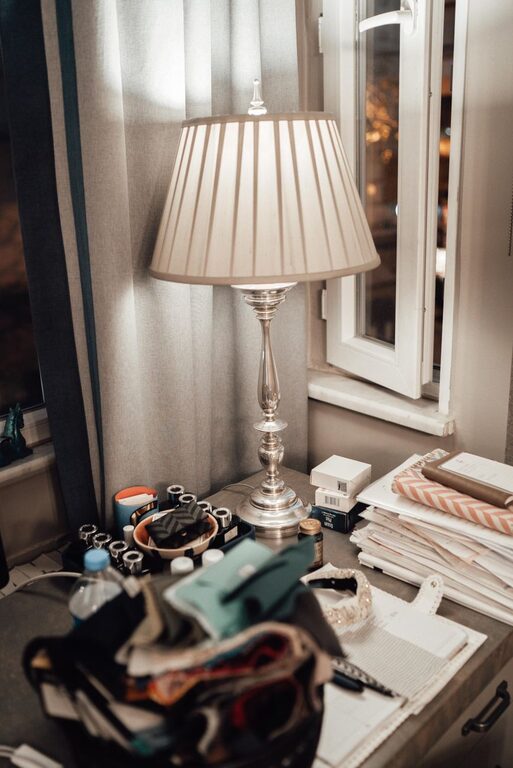
Use a desk lamp to focus light on work tasks. Adjustable lamps help direct light exactly where you need it.
Ambient Lighting
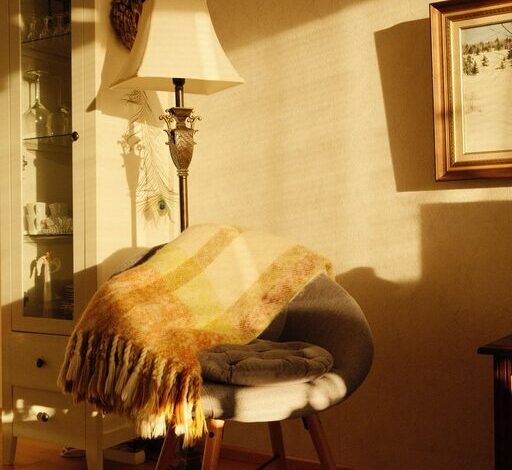
Add floor lamps or string lights to create a gentle glow during early mornings or late evenings when overhead lights might feel harsh.
4. Personalize Your Space
Decor and Colors
Decorate with colors and items that inspire you. Warm tones like soft beige, muted greens, or pastel blues can create a calm atmosphere. Avoid overly bright or harsh colors if they tend to distract you.
Plants
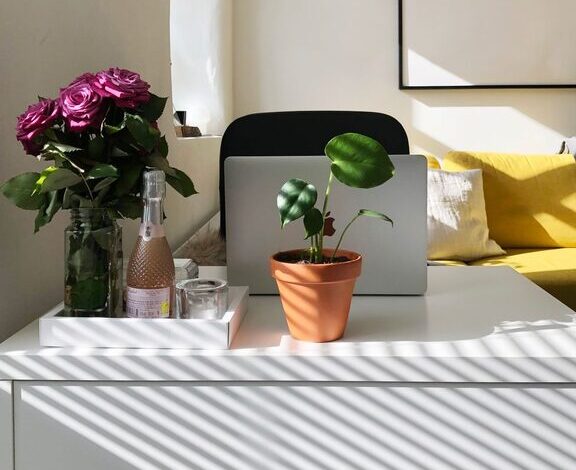
Indoor plants are a simple way to add life and freshness to your home office. They improve air quality and bring a sense of calm.
Art and Photos
Hang artwork or framed photos that you enjoy. Personal touches remind you why your workspace is meaningful.
5. Organize Effectively
Clutter can decrease productivity and increase stress. A neat workspace helps keep your mind clear and tasks manageable.
Storage Solutions
Use shelves, drawers, or filing cabinets to keep papers and office supplies organized. Baskets and boxes help corral smaller items out of sight.
Cable Management
Tidy cables with clips or sleeves to avoid a tangled mess behind your desk.
Daily Declutter
Spend a few minutes at the end of each day putting things away. A clean desk each morning sets a positive tone.
6. Incorporate Comfort Elements
Soft Textiles
Adding a cozy rug underfoot or a supportive cushion for your chair makes a big difference in comfort.
Temperature Control
Make sure the room temperature stays pleasant. A small fan or heater can help adjust the climate without too much disruption.
Refreshment Station
Keep a water bottle or small beverage fridge nearby. Staying hydrated and having a snack option close at hand keeps you fueled.
7. Use Technology Wisely
Having the right tech setup can streamline your workflow. Invest in reliable, fast internet, good quality headphones or speakers, and devices that fit your needs.
Screen Positioning
Place your computer monitor at eye level to reduce neck strain.
Wireless Options
Wireless keyboards, mice, and printers reduce cord clutter and increase flexibility.
8. Create Separate Zones if Possible
If your home office is large enough, consider different zones for different tasks.
– Primary Work Area: Desk, computer, and main tools.
– Reading or Brainstorming Corner: Comfortable chair with good lighting.
– Storage Area: Filing cabinet or shelves.
Having distinct zones supports variety and helps mentally separate different parts of your day.
Final Thoughts
Designing a cozy and inviting home office is about balancing comfort, function, and personal style. By focusing on lighting, organization, furniture, and atmosphere, you can create a space where you look forward to starting your workday. Remember, your home office should reflect your needs and preferences, making it easier to stay productive and comfortable one task at a time.