Tips for Creating a Relaxing Home Office Environment to Boost Productivity
Creating a relaxing home office environment is essential for maintaining focus, reducing stress, and boosting productivity. When your workspace feels comfortable and inviting, it makes it easier to stay motivated and complete tasks efficiently. Whether you work from home full-time or occasionally, these practical tips will help you design a workspace that supports both relaxation and productivity.
Why a Relaxing Home Office Matters
Working from home offers flexibility and convenience, but it can also blur the lines between professional and personal life. A cluttered or uninspiring space may lead to distractions or burnout. By fostering a calming atmosphere, you create mental space to concentrate and stay productive over prolonged periods.
Choose the Right Location
Finding the right spot in your home for your office is the first step toward creating a relaxing work area.
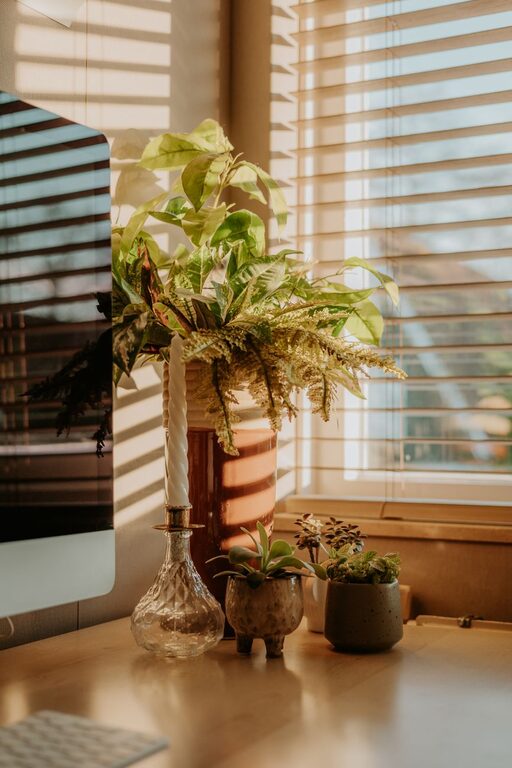
– Natural light: Place your desk near a window if possible. Natural light helps regulate your body’s internal clock, improves mood, and reduces eye strain.
– Quiet area: Choose a spot away from household noise and distractions if you can. A peaceful environment supports focus.
– Separate room or nook: If space allows, use a dedicated room so you can mentally separate work from leisure. If not, designate a specific corner with physical boundaries like shelves or screens.
Invest in Comfortable and Functional Furniture
Your furniture choices can make a big difference in comfort and productivity.
– Ergonomic chair: Look for a chair that supports your lower back and promotes good posture. Comfort reduces fatigue and physical strain.
– Adjustable desk: A desk that suits your height reduces strain on your neck and wrists. Consider a sit-stand desk for movement variety.
– Organized surfaces: Keep your desk surface tidy and clutter-free. A clean workspace minimizes distractions.
Use Calming Colors and Decor
The colors and decor in your office set the tone for your workday.
– Soft color palette: Choose calming colors such as light blues, greens, or neutral tones. These shades tend to reduce stress and create a soothing atmosphere.
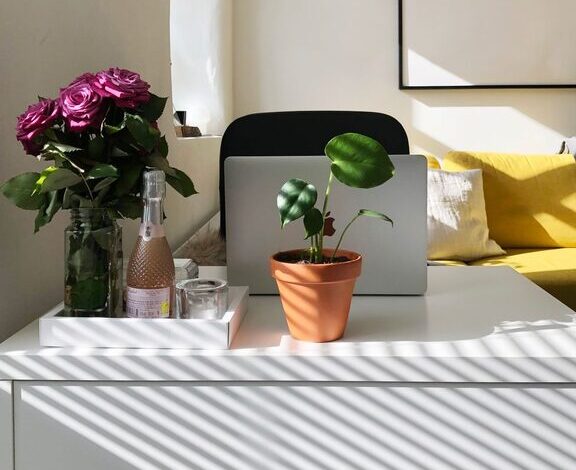
– Personal touches: Add a few items that make you feel good but don’t overwhelm the space. A framed photo, a plant, or artwork can add personality without causing clutter.
– Minimalism: Avoid overdecorating. Simple, clean lines encourage focus.
Incorporate Plants
Indoor plants bring a refreshing touch of nature into your office.
– Air quality: Plants improve air quality by filtering toxins.
– Mood boost: Greenery has been shown to reduce stress and increase feelings of well-being.
– Low-maintenance options: Consider easy-care plants like snake plants, pothos, or succulents.
Optimize Lighting
Proper lighting reduces eye strain and keeps you alert.
– Layered lighting: Combine natural daylight with task lighting. A desk lamp with adjustable brightness helps during late hours.
– Avoid glare: Position screens and lights to avoid reflections that tire your eyes.
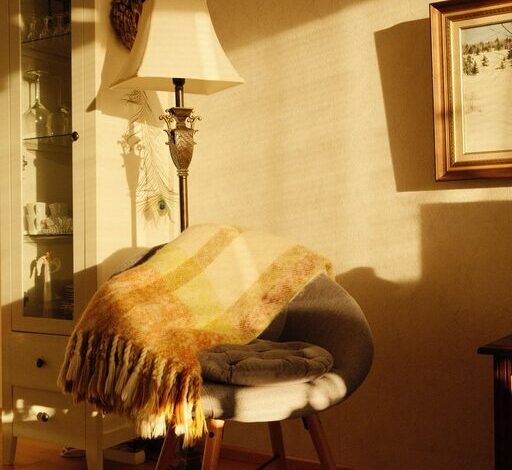
– Warm light: Use bulbs with soft, warm hues to keep the ambiance relaxing, especially late in the day.
Manage Noise Levels
Sound can either support or disrupt your concentration.
– Noise-cancelling headphones: If noise is unavoidable, these can help you focus.
– Soft background sounds: Some people work better with gentle background noise such as nature sounds or instrumental music.
– Soundproofing: Adding rugs, curtains, or wall panels can reduce echo and external noise.
Set Up an Organized System
Organization promotes a clear mind and efficient workflow.
– Storage solutions: Use shelves, filing cabinets, and drawer organizers to keep everything in order.
– Daily declutter: Spend a few minutes at the end of each day tidying your space.
– Cable management: Use clips or covers to organize cords and reduce visual clutter.
Take Breaks and Move
A relaxing office encourages regular movement for health and focus.
– Stretch breaks: Set reminders to stretch or walk briefly every hour.
– Standing options: Alternate between sitting and standing while working if your desk allows.
– Relaxation zones: If space permits, create a small area for short mental breaks, such as a comfortable chair or meditation corner.
Technology Tips for a Relaxing Workspace
Technology can enhance or hinder productivity depending on the setup.
– Ergonomic accessories: Invest in an external keyboard and mouse to reduce strain.
– Screen height: Position monitors at eye level to avoid neck discomfort.
– Limit distractions: Use apps or settings to mute notifications during focused periods.
Final Thoughts
By thoughtfully designing your home office with relaxation and productivity in mind, you can create a space that supports your work goals while keeping stress at bay. Keep your environment simple, comfortable, and well-organized, and don’t forget to personalize it to reflect your style. Small adjustments often make a big impact, helping you enjoy your workday and accomplish more.
—
Creating a home office that feels relaxing and functional doesn’t require a major overhaul—just intentional choices to optimize your space for comfort and focus. Start with these tips today and see your productivity grow!